Find Your Inner Strength

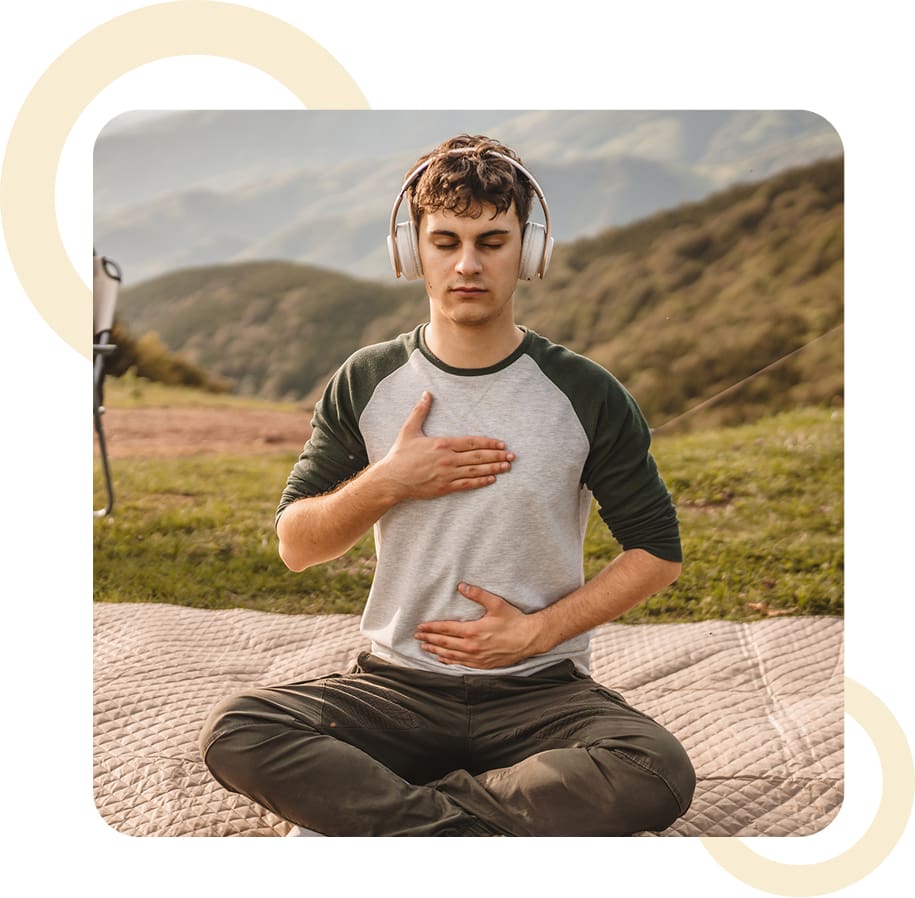
Man meditating outdoors with headphones on.

Meditation & Calming Practices for Youth Injuries

Injury recovery is not just a physical process; it's also an emotional and mental journey. For young people, this can be particularly overwhelming. Incorporating mental exercises and calming techniques can be a powerful tool for healing.

Why These Exercises Help

Meditation and calming exercises offer numerous benefits for both the mind and body during recovery:

  • Lower stress and anxiety.
  • Reduce perceived pain levels.
  • Improve sleep quality.
  • Support immune function and tissue repair.
  • Foster a sense of control and positivity.

Mental & Emotional Benefits

  • Reduces stress hormones (like cortisol), which can delay healing.
  • Improves focus and patience during long recovery periods.
  • Increases resilience, helping young people cope with setbacks or pain.

Simple Techniques and Exercises

Meditation icon on a yellow background.

Guided Meditation

  • What It Is: Listening to a calming voice or script that guides you through imagery, breath work, or body awareness.
  • Benefits: Reduces anxiety, enhances mental clarity, increases pain tolerance, and builds a positive mindset.
  • Tip: Use audio apps or YouTube videos designed for injury recovery and youth mindfulness.
Person flexing muscles icon in yellow circle.

Progressive Muscle Relaxation (PMR)

  • What It Is: Tensing and relaxing muscle groups one by one, from feet to head.
  • Benefits: Relieves muscle tension, promotes deep relaxation, and lowers heart rate.
  • Important: Skip the injured area to avoid strain. Instead, mentally focus on relaxing it.
Breathing icon on yellow circular background.

Mindful Breathing

Mindful breathing techniques can calm the nervous system and help manage anxiety and frustration.
  • Box (Square) Breathing
  • What It Is: Breathing in a structured 4-4-4-4 rhythm (inhale, hold, exhale, hold).
  • Benefits: Calms the nervous system quickly, improves concentration, and trains emotional control.
  • Balloon Belly Breathing
  • What It Is: Breathing deeply into your stomach so it expands like a balloon.
  • Benefits: Deepens relaxation, improves oxygen flow (which is important for healing tissue), and soothes anxiety.
Walking person icon on yellow circle.

Mindful Walking

Mindful walking is a simple yet powerful way to connect with your body and the present moment.
  • What It Is: Focusing completely on the present moment while walking slowly and deliberately. This means paying attention to the feeling of your feet on the ground, the rhythm of your breath, and the sights and sounds around you.
  • Benefits
  • Encourages gentle, safe movement if your doctor has cleared you for walking.
  • Boosts mood by releasing natural endorphins.
  • Helps you feel grounded in your body, improving awareness of pain-free movement.
  • Reduces negative thoughts and self-doubt that can arise during recovery.
Hand holding heart with leaves symbol.

Healing Visualization

Healing visualization uses the power of your mind to support your body's recovery process.
  • What It Is: Mentally imagining your body healing. This could involve picturing cells regenerating, a warm light restoring strength to your injury, or seeing yourself moving without pain.
  • Benefits
  • Speeds recovery by reinforcing a positive, healing-focused mindset.
  • Boosts your belief in your body's ability to heal itself.
  • Reduces pain perception by shifting your focus away from discomfort.
  • Increases motivation to stay consistent with your rehab and rest.
Silhouette head with light bulb icon.

Creative Expression

Creative activities can serve as a form of meditation, helping you process emotions and shift your focus.

  • What It Is: Using art, music, or writing as a meditative activity to express feelings and move your focus away from pain or frustration.
  • Examples
  • Drawing or coloring while listening to calm music.
  • Journaling about your recovery journey.
  • Creating a playlist of peaceful or empowering songs.
  • Painting what healing feels like to you.
  • Benefits
  • Helps release trapped emotions like fear, anger, or sadness.
  • Redirects focus from the injury to creativity and self-expression.
  • Reduces anxiety by creating a safe and soothing routine.
  • Improves your mood and provides a sense of accomplishment.

Find Peace of Mind in Your Recovery

From mindfulness techniques to coping strategies, our team can help you build resilience and achieve a positive recovery.
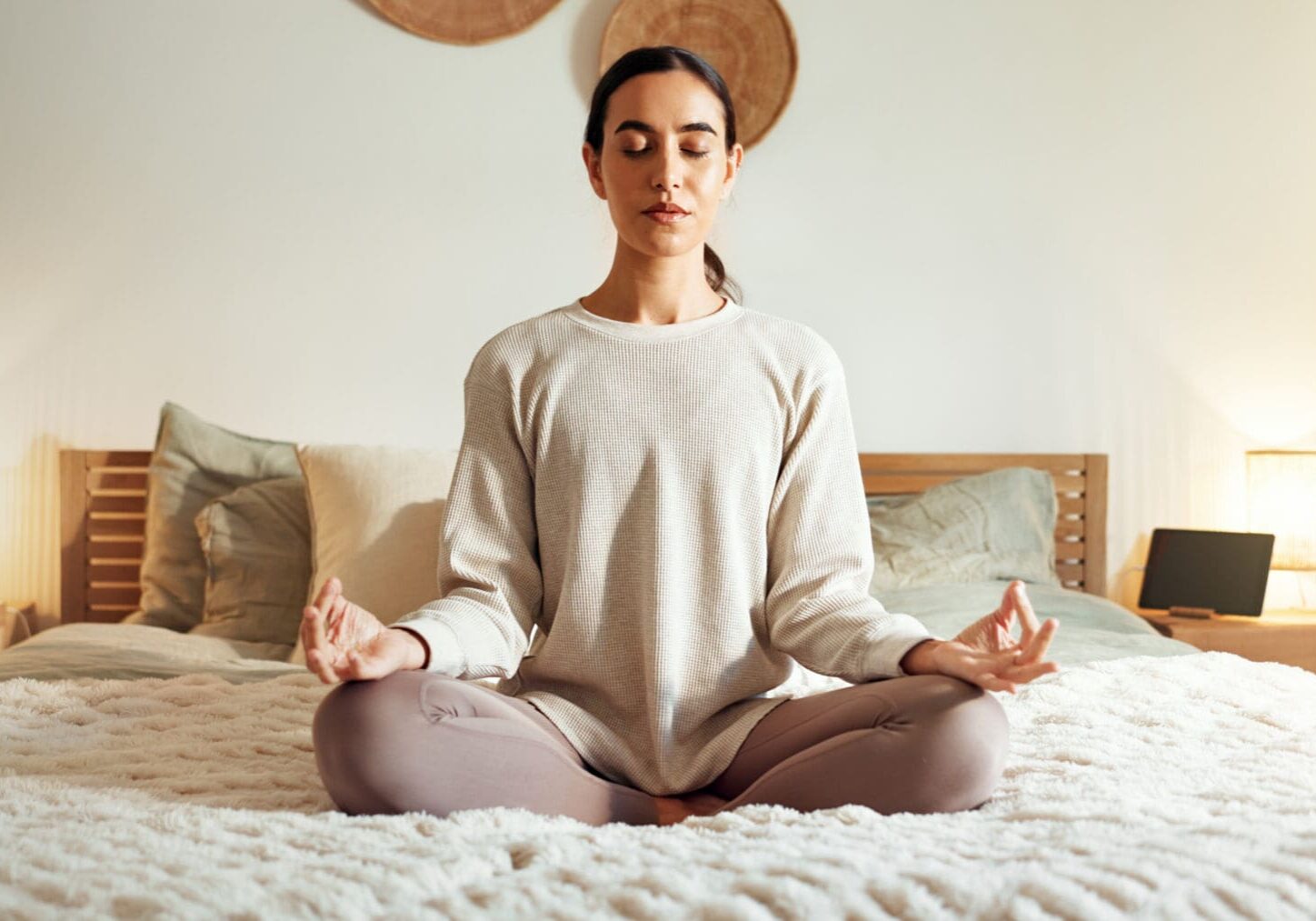
Woman meditating on bed in cozy room.