
A Guide to Healing

Coping With Emotions During Injury Recovery
Injury recovery is a journey that affects your whole self, not just your body. Learning to manage your emotions is a crucial part of the healing process. When you feel stressed or frustrated, it can slow down physical healing. By focusing on your emotional well-being, you can help your body rest and repair itself more effectively.
Remember that it's okay to feel frustrated; you are not alone, and every emotion you feel is valid and manageable.
10 Ways to Cope With Emotions

Practice Deep Breathing
Inhale slowly through your nose, hold for four seconds, and then exhale through your mouth. This helps calm your nerves and reduce anger or panic.

Write in a Journal
Write about your day, how you feel, or what you are grateful for. This is a great way to process your feelings and let go of frustration.

Express Through Art or Music
Draw, paint, or listen to a calming playlist. This can help you release bottled-up emotions in a fun, non-verbal way.

Talk to Someone You Trust
Open up to a friend, coach, parent, or counselor. This can help you feel supported and gain perspective.

Go Outside
Simply sitting in the sun, feeling the breeze, or listening to birds can boost your mood and reduce stress.

Set Small Goals
Set small, achievable goals like "Today I'll stretch for five minutes." Celebrating these small wins can help you regain a sense of control and accomplishment.
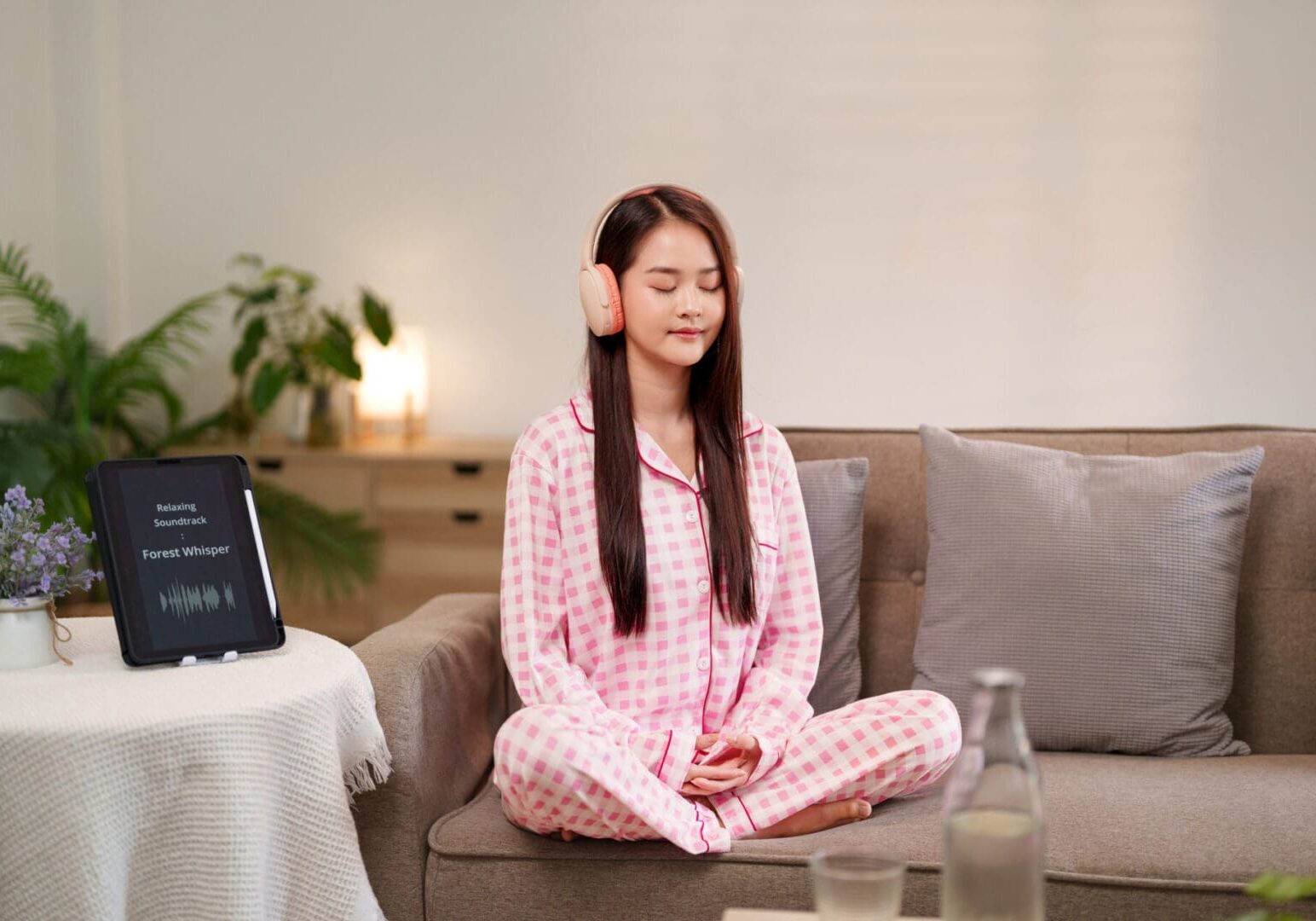
Use a Meditation or Mental Health App
Apps like Calm or Headspace have guided meditations that can help you manage overwhelming thoughts.

Practice Positive Self-Talk
Replace negative thoughts with positive affirmations, such as "I'm healing every day." This builds confidence and helps you stay motivated.

Spend Time With Your Pets
Cuddling or playing with a pet can reduce stress and ease loneliness.

Take Breaks With Enjoyable Distractions
Watch a movie, read a book, or play a calm game. Laughter and fun are important for preventing emotional burnout.
Get Emotional Support
Your mental well-being is a key part of your recovery. Talk to someone who understands the emotional struggles of an injury and can help you cope.